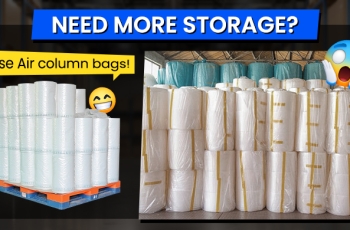
Emergency warehousing? Air column bags double space!
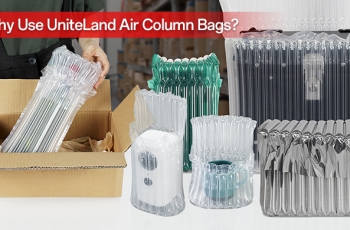
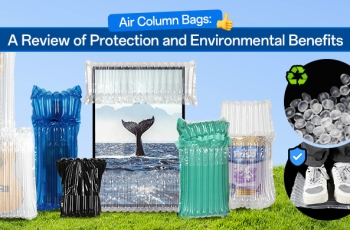
Is your warehouse suffering from: Bulky, space-wasting packaging like foam and pearl cotton? Inefficient use of space due to irregularly shaped packaging? Hidden costs of rent, handling, and transport losses from wasted space? In today’s fast-paced logistics landscape, warehouse efficiency is crucial. Are you losing profits to wasted “invalid volume” and excessive rent? UniteLand Air Column Bags offer a solution: superior product protection while dramatically increasing storage capacity. Double your utilisation with this innovative cushioning solution. Air column bags offer significant storage savings: 1. Optimized Storage: Flat storage allows for efficient packing. One cubic meter can hold approximately 5,000 uninflated air column bags, drastically reducing storage requirements compared to traditional packaging. 2. Increased Vertical Space: Air column bags’lightweight nature (approximately 60% lighter than cardboard boxes) enables higher stacking, maximizing warehouse space utilization. 3. Improved Loading Efficiency: Customization to product size and weight minimizes gaps during transport, increasing loading rates and reducing the number of shipments needed, ultimately lowering logistics costs. 4. Safety, Not Space Compromised Don’t let the air column bag’s small size and light weight fool you. Its inflatable design, featuring interconnected air columns, provides excellent shock absorption, minimizing damage and returns. These air columns act like individual springs, offering comprehensive protection. Consequently, warehouse space is no longer dominated by returned goods, significantly improving utilization. UniteLand’s innovative “Multi-Layer Air Valve” technology minimizes air leakage, ensuring long-lasting protection, even during extended storage. This guarantees consistent cushioning performance over time. 5. On-Demand Inflation, Zero Waste Air column bags inflate quickly in seconds, creating a robust and durable cushioning structure. This eliminates storage space concerns and dramatically increases packaging efficiency. 6. Inflate on Demand, No Waste Allowed When the aircolumn bag is needed, it can instantly inflate to form a sturdy yet flexible cushioning structure within seconds. This…